
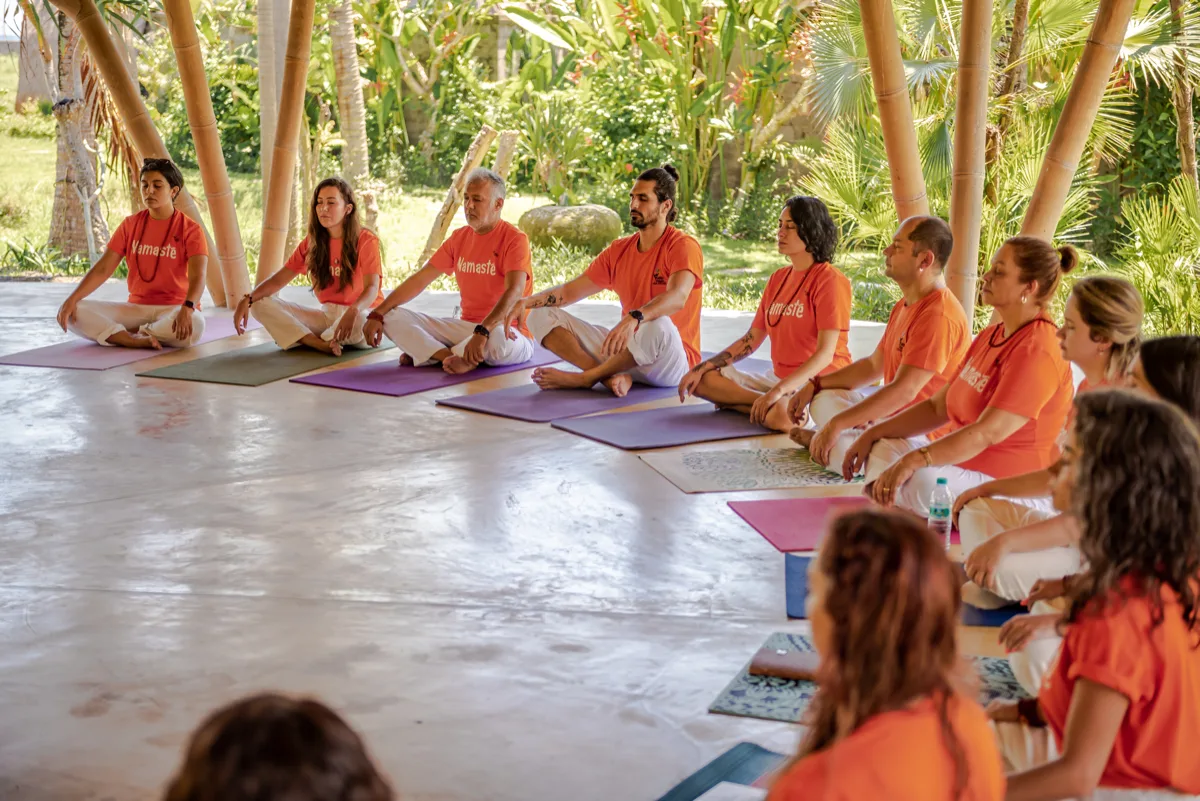
Many people who want to start yoga hesitate over questions like "I'm not flexible, can I do it?" or "Which pose should I start with?" But yoga is not about being flexible; it is a practice that aims to develop flexibility over time. Here are a few basics worth knowing before you unroll your mat for the first time.
Starting with the Right Mindset
Yoga is not a competition. It should not matter how advanced a pose the person on the next mat is doing; what matters is noticing your own body's limits that day and respecting them. The most common mistake beginners make is trying to progress quickly — yet yoga is a habit built with patience.
What Do You Need?
Comfortable clothing that allows you to stretch
A non-slip yoga mat
A quiet space away from distractions
Optional: props such as a support block, strap or blanket
Getting to Know the Breath
In yoga, the breath comes before the movement. In most yoga styles, movements are synchronized with the breath: you open and lengthen as you inhale, and fold and release as you exhale. Noticing this synchronization is one of the habits that makes the biggest difference in your first weeks of class.
Tips for Beginners
You do not need to wait for the perfect moment to step into yoga; even a small step you take today is a good enough start. If you would like to progress in a guided and safe environment, you can take a look at our classes taught by experienced trainers.
- In your first classes, choose those described as "basic level" or "beginner"
- Learn the difference between pain and a "good stretch sensation"; if you feel pain, ease out of the movement
- Be sure to tell your trainer about any past health issues (such as back, neck or joint problems)
- Consistency is worth more than intensity — a few short practices a week are more effective than one long session a month