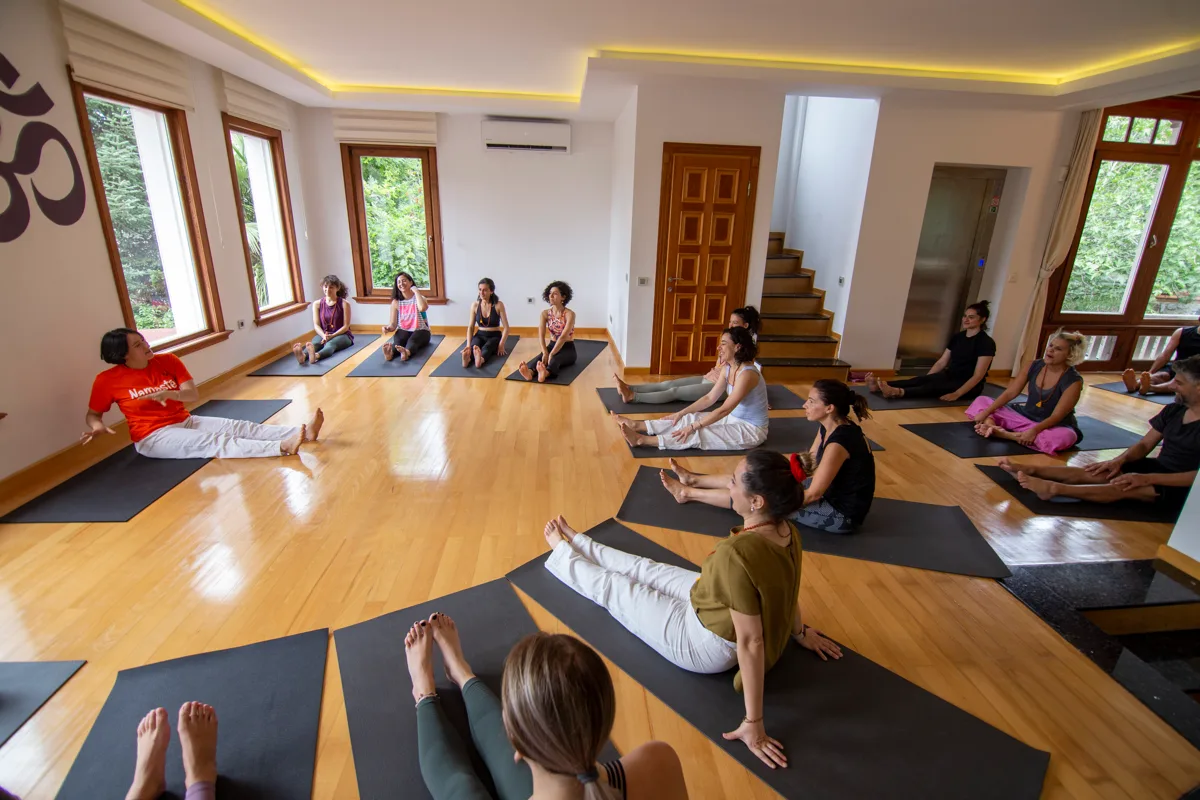
Children usually express their energy by running, jumping and exploring. Yoga is a playful tool that guides this natural energy instead of suppressing it, while also supporting focus, self-awareness and emotional regulation skills.
Benefits of Yoga for Children
Developing physical skills such as balance, coordination and flexibility
- Learning to calm down in moments of anxiety and anger through breath awareness
- Building skills such as sharing, waiting for a turn and cooperation by moving within a group
Supporting children in getting to know their own bodies and in building self-confidence
Different Approaches for Different Ages
With younger age groups (the preschool years), yoga is usually presented through animal imitations, storytelling and songs. With primary-school-age children, more structured posture sequences, simple breathing exercises and short concentration games can be used. In adolescence, yoga can become a deeper tool for coping with school stress, screen time and a changing body image.
Ways to Make the Class Fun
- Linking postures to animal or nature themes (for example, using images such as "turtle" or "tree")
Building posture sequences around short stories
Explaining breathing exercises through simple games (such as imagining blowing up a balloon)
Using language that focuses on discovery and fun rather than competition
Suggestions for Parents
When you take your child to a yoga class, make sure the class is designed to suit your child's age. Trying a few simple postures together at home gives you quality time with your child and helps yoga come to be seen as a natural part of everyday life.
If you would like information about our yoga programs designed specifically for children's developmental stages, you can visit the relevant page on our site.